Cultivating Wellness
HydroBloom Agritech is building a hydroponic cultivation facility at Hesaraghatta, Bengaluru, to supply standardised, pesticide-free medicinal herbs to pharmaceutical, nutraceutical and Ayurvedic manufacturers.
The problem
Formulators can buy Tulsi or Brahmi from a hundred sources. What they struggle to buy is the same active-compound profile twice, with documentation that survives an audit, in a month when the monsoon has been poor.
Open-field material swings with soil, season and rainfall. Batch-to-batch variation forces re-testing, re-blending and rejected consignments.
Pesticide and heavy-metal residues are the most common reason herbal consignments fail export screening and pharmacopoeial limits.
Harvest windows dictate supply. Buyers carry inventory risk, or accept gaps, or pay spot prices when the crop is short.
The approach
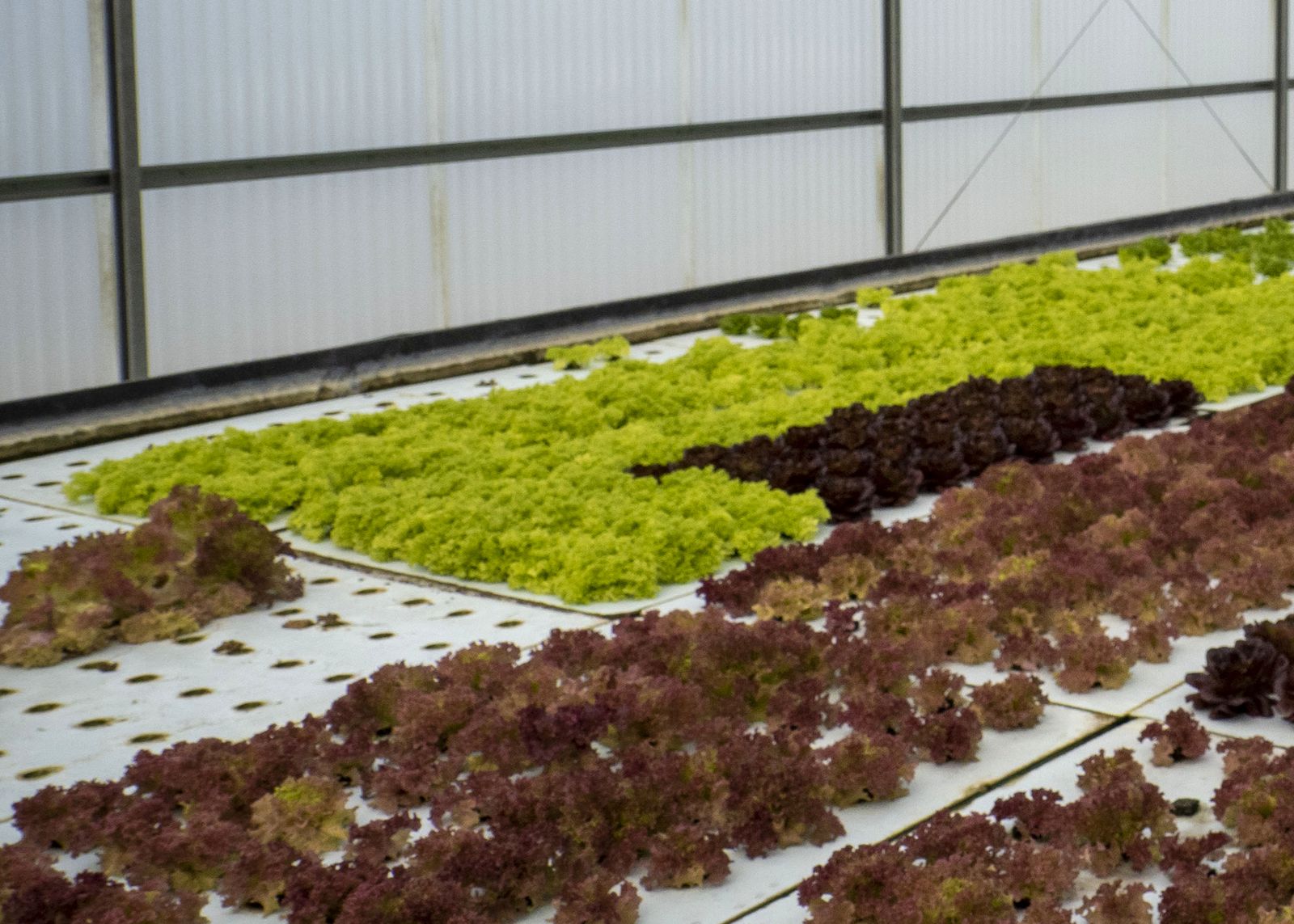
Hydroponic cultivation under protected structures removes soil, weather and agrochemicals from the equation, and makes every input measurable. That is what lets a supplier commit to a specification rather than describe a harvest.
Every input that affects the active fraction — nutrient concentration, pH, light, temperature — becomes a number that is set, logged and repeatable. That is the whole argument for growing this way.
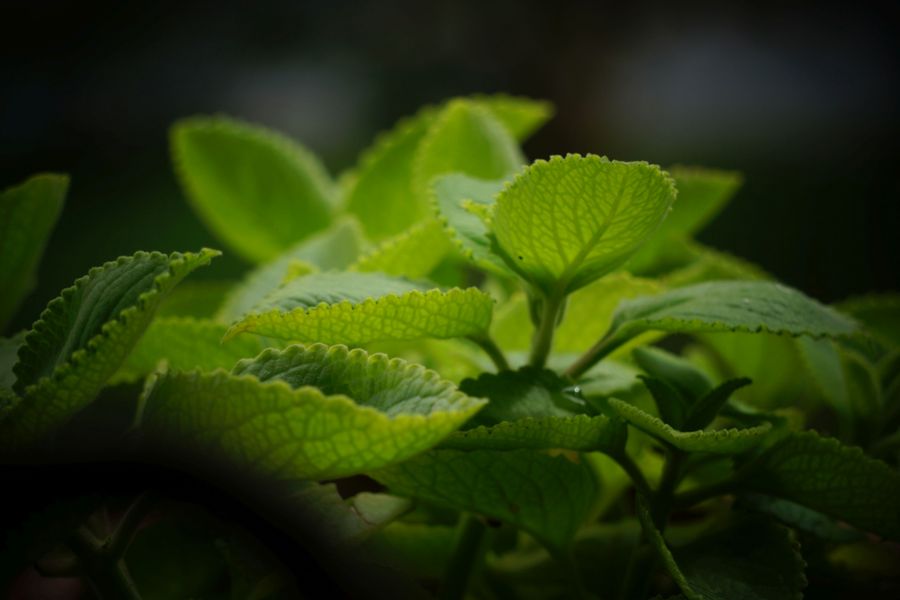
Nutrient concentration, pH, temperature and humidity are set and logged rather than observed. Inputs become variables you can hold constant across cycles.
Closed-loop, soil-free cultivation under cover removes the main routes for pesticide and heavy-metal contamination.
Protected cultivation runs to a planting calendar, not a monsoon. Supply is planned in cycles across the year.
Planned operation
The facility is designed as a single chain from propagation to a documented, packed consignment. Each stage below is planned, not yet operating.
Mother stock and seedlings raised in a dedicated nursery, isolated from the growing blocks.
Nutrient Film Technique and Deep Water Culture under polyhouse and net house, matched to root type by crop.
Cut at the planned growth stage, then washed, sorted and cooled on site to protect the active fraction.
Controlled drying to target moisture, then grading and cut-and-sift to the particle size a buyer specifies.
Moisture, microbial and active-compound testing before release, with batch records retained.
Intended crops
The opening programme is built around herbs with established, documented demand from Indian formulators, alongside commercial leafy produce that keeps the facility working between herb cycles.
Tulsi, Brahmi, Mint and Kalmegh — short cycles, high turn, and the crops best suited to Nutrient Film Technique.
Ashwagandha and Shatavari — long cycle, higher value, grown on Deep Water Culture once the leaf programme is stable.
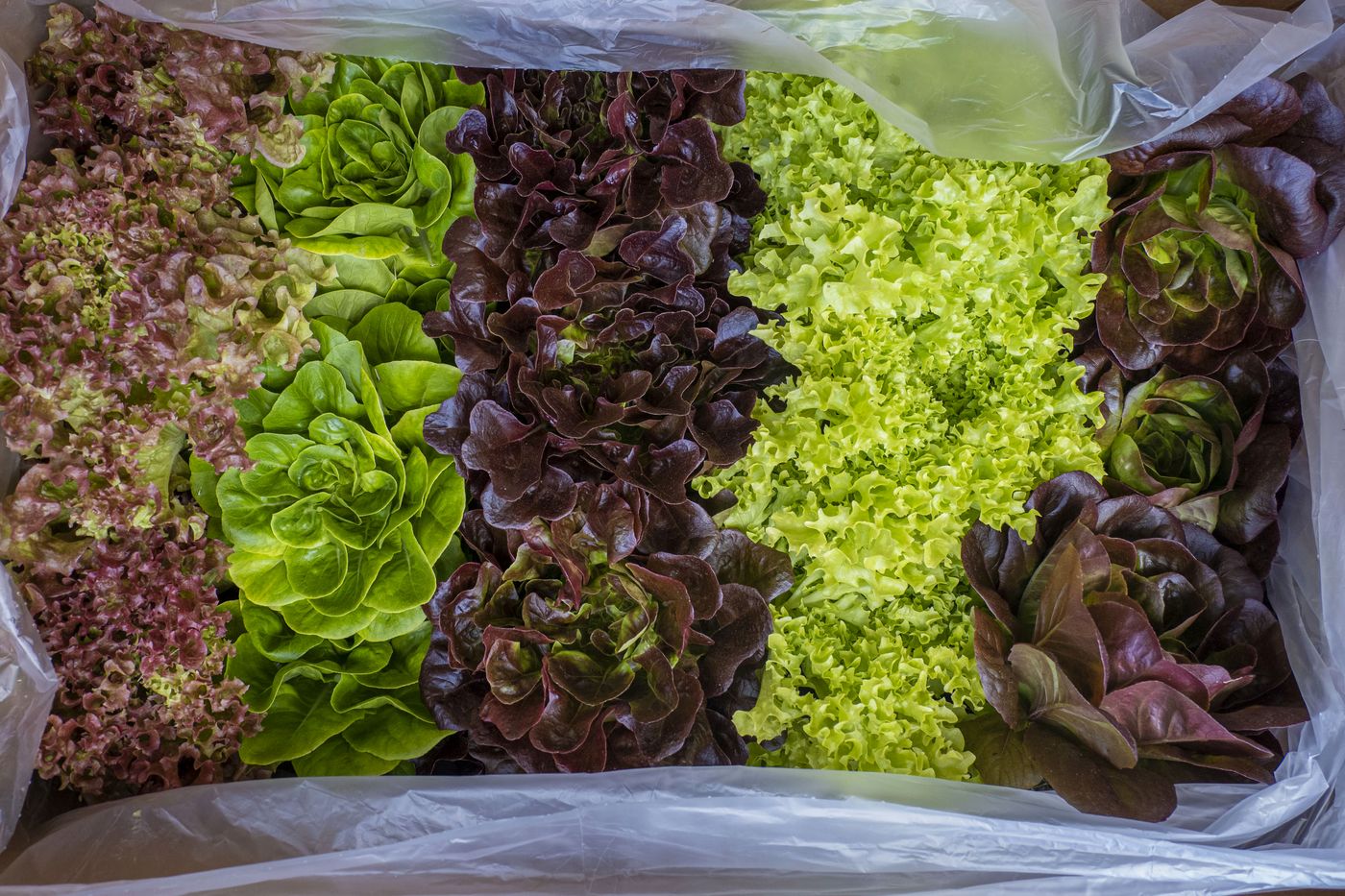
Leafy greens and protected-cultivation vegetables, keeping capacity and cash flow moving alongside the herb calendar.
Where we are
HydroBloom Agritech Pvt Limited is incorporated and the project is in development. The site at Hesaraghatta is identified, the cultivation model and financial plan are built, and we are talking to buyers now so the first cycles are planted against real demand rather than a guess.
We are not yet producing. No certification is held, no consignment has shipped, and nothing on this site describes capability we have today. If you need material this quarter, we are not your supplier — but we would still like the conversation, because what you specify shapes what we plant.